CASE STUDY
Built to Outlast Its Builder
An AI-assisted system that gave Design and Product teams instant, trustworthy legal guidance, without waiting on a two-person Legal team for every question.
The Problem
Legal guidance was siloed in ad-hoc Slack threads and emails, with no centralized repository to track, request, or reuse past approvals.
Product teams faced severe delivery bottlenecks waiting for answers, pushing designers to make unvalidated decisions and shifting sprint planning from predictable to reactive.
The process was a black box.
People weren't sure if a formal legal review process even existed, or whether they'd ever actually completed one.
There was no SLA.
No expected turnaround, no defined medium for getting a response, nothing. People often had to physically track someone down in the office and hope for an answer.
One way in, one way out.
Every question, big or small, required direct Legal involvement, a system that couldn't scale.

Strategic Alignment
I knew from the start that whatever I built couldn't just serve the Design Team. It needed to work for the Product Team too, and ideally for Engineering as well, since all three teams ran into the same wall.
Large teams don’t adopt processes that feel heavy. Any solution needed to be intuitive, fast, and embedded into how teams already work or else they’d default back to Slack and hallway conversations.
The Solution
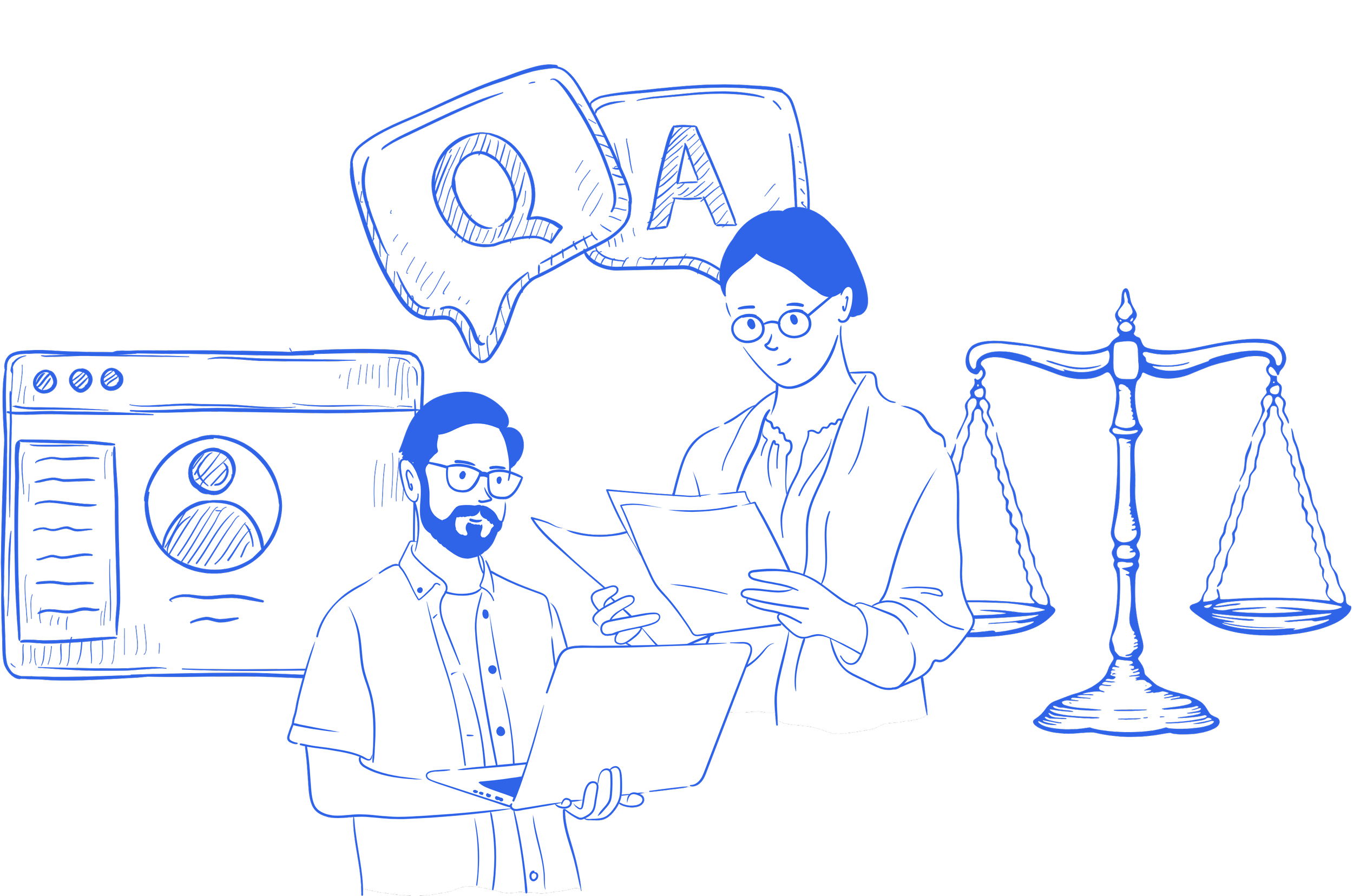
I designed The B.A.R., an agentic AI-assisted decision system that enables Product and Design teams to move quickly with confidence—without compromising legal or compliance standards.
We had just gotten access to an enterprise Gemini account, so I started dropping my raw interview notes in and asking it to help me find patterns. That was my first real hands-on experience using AI to solve a business problem, and it led somewhere I didn't expect: I started asking Gemini how it actually worked, not out of curiosity, but because I needed to understand its real capabilities before I could design anything responsibly.
The System
On the surface, this looked like a process problem with process solutions: better templates, office hours, clearer documentation. And to be clear, we did eventually build all of that.
But I didn't think those fixes alone would solve the actual problem.
The Agents
O.L.I.V.E.
The Paralegal.
Answers questions in real time, grounded in approved decisions, with confidence and risk scores attached.
A paralegal researches, drafts, and organizes, but never makes legal decisions.
C.O.L.L.I.N.S.
The Librarian.
Tells teams exactly how to file new decisions, keeping the knowledge base clean and consistent.
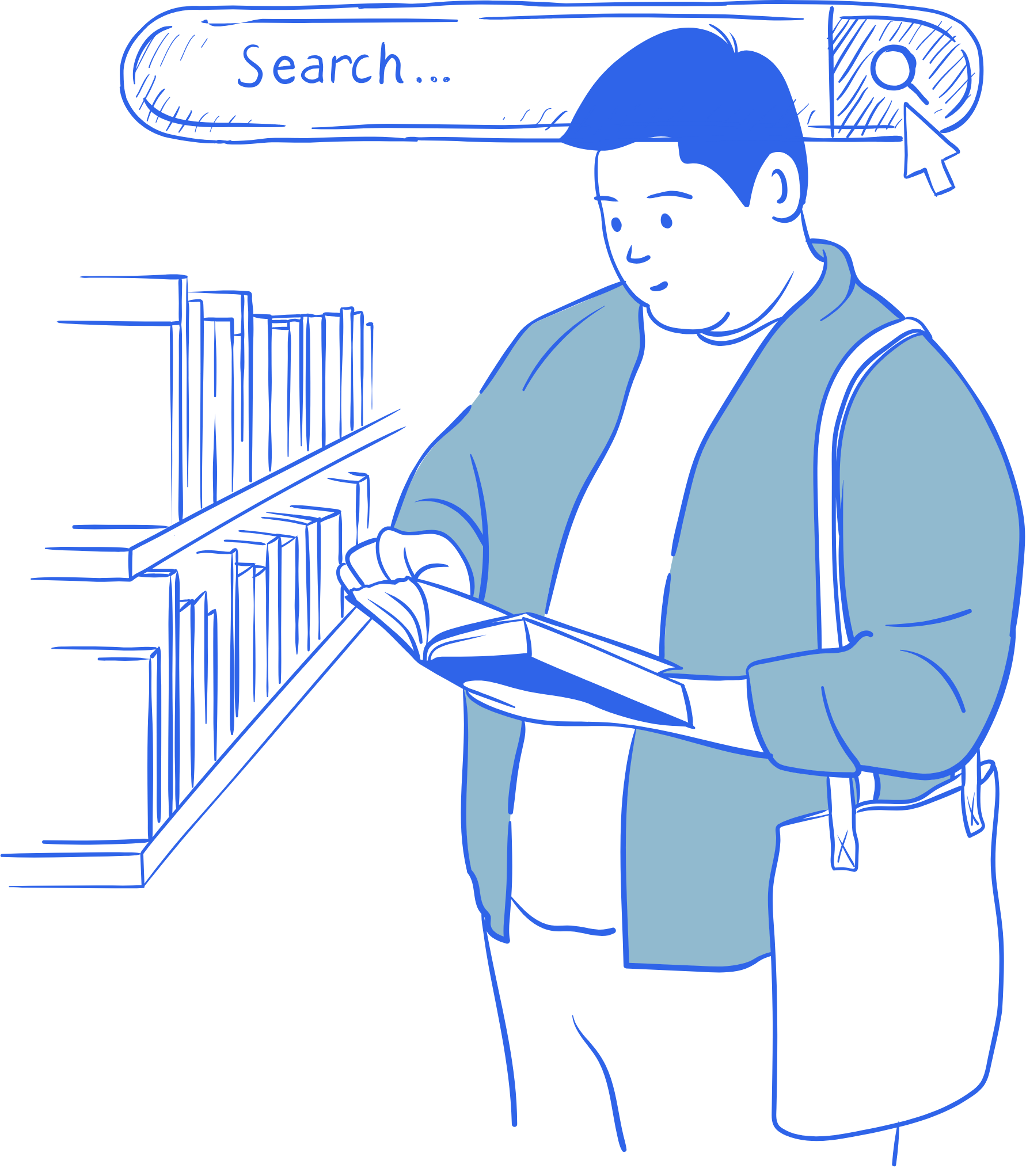
It solved the classic problem where the hardest part of finishing a document isn't writing it, it's naming it so that both future-you and everyone else can find and understand it later.
The C.E.L.L.A.R.
The Source of Truth.
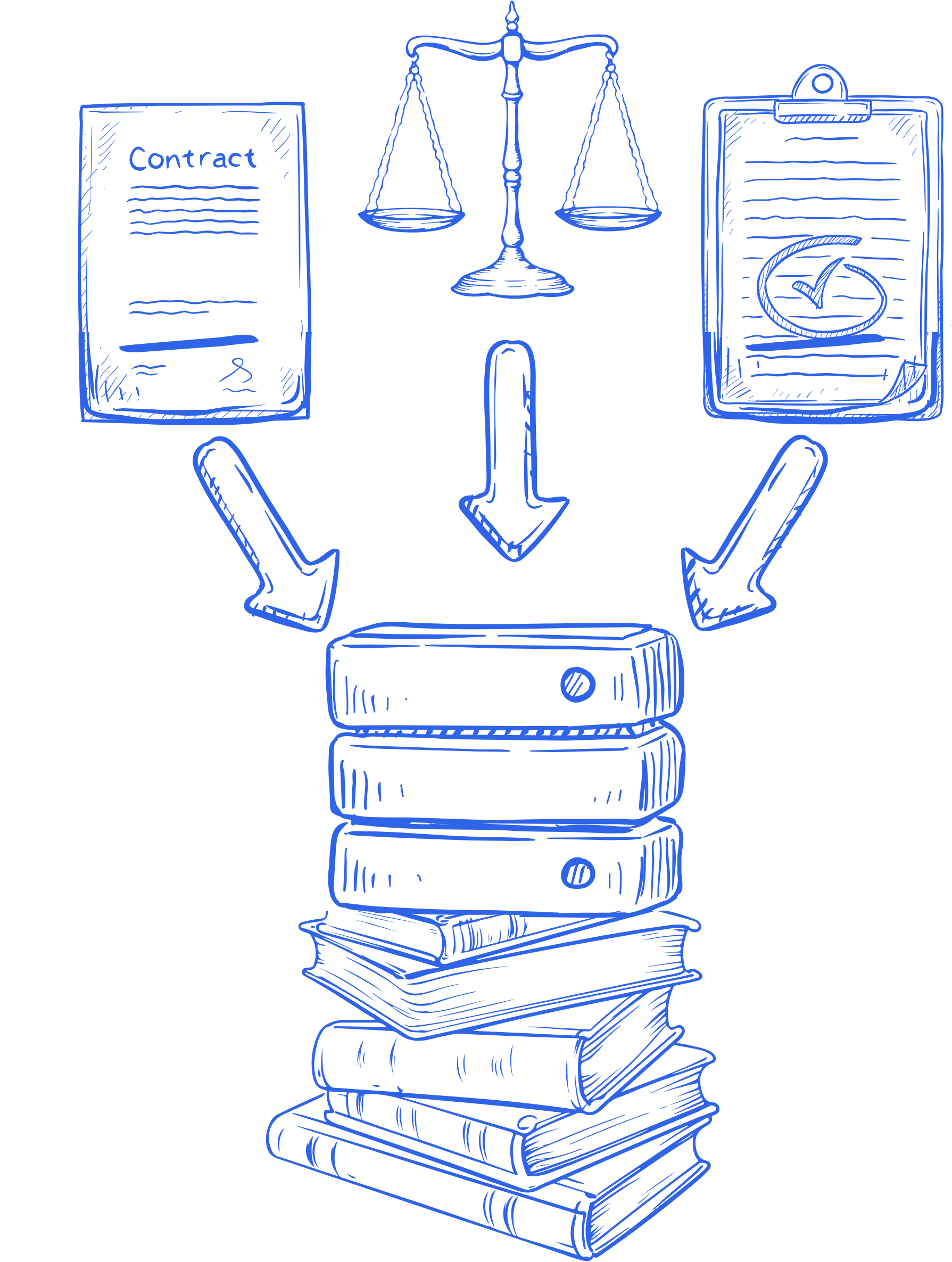
A single, auditable repository every answer is pulled from.
It lived inside a designated Google Drive folder and held every governance decision, template, and precedent, all searchable and auditable.
Why It Works
Structured so Design and Legal teams can move fast without second-guessing decisions.
The Guardrails
No hallucinations. If it's not in the repository, the system says so instead of guessing.
RAG-Based
Legal reviews and signs off on every recommendation. No exceptions.
Human-in-the-Loop
Every response is triaged by urgency, risk, and confidence, from async review to a live meeting with Legal.
Escalation by Design
Every decision is logged, sourced, and audit-ready.
Fully Traceable
Status
Fully developed, structurally validated, and staged for phased rollout.
The system launched the morning I was laid off. I never got to see it through, but it was built specifically so it wouldn't need me there to keep working.